

Fermentation — The Invisible Alliance that Fed Humanity
Before cooking fire as we know it, before agriculture, before the atmosphere even held oxygen, there was already life fermenting. To ferment is the oldest way living beings have of obtaining energy — and it is also the silent pact that, for millennia, preserved our food, multiplied its nutrition and shaped almost every culture on the planet. This is the story of that alliance between us and the invisible.
To ferment is to breathe without air: the oldest energy of life
In its strict biochemical sense, fermentation is an anaerobic process: a way of extracting energy from sugars without using oxygen. When a cell breaks down glucose, it needs to recycle a key molecule (NAD+) to keep producing energy; with no oxygen to close the cycle, the cell hands those electrons to an organic molecule and releases, depending on the pathway, lactic acid, alcohol and carbon dioxide, or acids and gases.
This is one of the oldest metabolic pathways in existence. It arose in a world without oxygen, billions of years ago, when life was barely microbial. That is why we say fermenting predates breathing: the first cells on Earth were already fermenting long before photosynthesis filled the air with oxygen. When a yeast today turns the sugar of the must into alcohol, it is repeating a biochemical gesture as old as life itself.
Aerobic and anaerobic: two senses of one word
Here a precision is worth making, one almost no one makes, and it changes how we understand the subject. The word fermentation has two meanings that are not identical:
Biochemical sense (anaerobic)
The pure definition: obtaining energy without oxygen. Here belong lactic fermentation (sauerkraut, kimchi, yogurt) and alcoholic fermentation (bread, beer, wine, pulque). The microorganism works in the absence of air.
Culinary sense (includes the aerobic)
In the kitchen and industry, we call fermentation almost any microbial transformation of a food — and many need oxygen: vinegar and the kombucha mother (acetic bacteria), or the koji mold, grow with air.
Put simply: all biochemical fermentation is anaerobic, but not everything the kitchen calls a "ferment" is. Vinegar, for instance, is born from an aerobic oxidation of alcohol. To understand this difference is to understand why a single jar can move from the airless work of yeasts to the air-fed work of acetic bacteria.
The Fungi Kingdom, at the heart of the ferment
If this page lives in a mushroom boutique it is no coincidence: the Fungi Kingdom is at the center of world fermentation. The most celebrated protagonists are fungi.
Yeasts: the single-celled face of the kingdom. Most fungi are filamentous — they grow forming hyphae, those threads that weave the mycelium. Yeasts are the exception: they live as individual cells that reproduce by budding. And many are dimorphic: depending on the environment, they alternate between that budding cell and a filamentous form (hyphae or pseudohyphae). It is worth being precise, because it is often overstated: "yeast" is not a branch of the evolutionary tree, but a way of life — which is why it appears in very different fungal lineages, and why a single fungus can be single-celled or filamentous as it suits. Saccharomyces cerevisiae, the yeast of bread, beer and wine, is probably the most domesticated microorganism in history; it ferments even in the presence of oxygen when sugar is abundant (the so-called Crabtree effect).
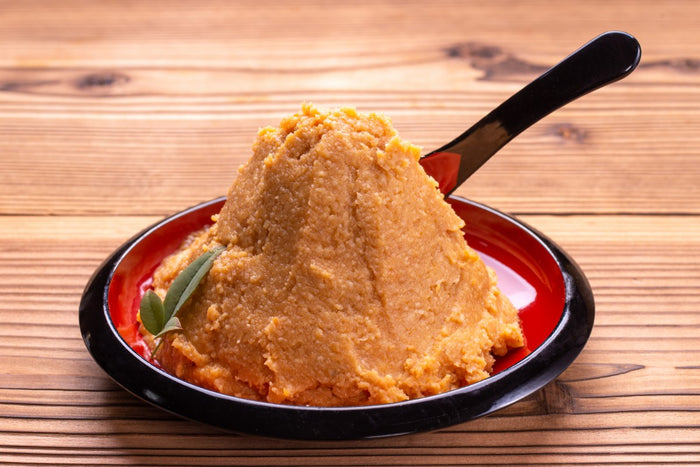
The molds that cook for us. Koji —the mold Aspergillus oryzae— is so important in Japan that it was declared its national fungus. Its enzymes break down the starch and protein of soy and rice, and are the base of miso, shoyu (soy sauce), sake and mirin. Rhizopus oligosporus weaves its hyphae between cooked soybeans and binds them into a firm cake: tempeh. And in blue and bloomy-rind cheeses work the Penicillium — the same relatives of the fungus that gave us penicillin. We go deeper into this story in our article Yeasts, ferments and penicillin: the fungi that built modern civilization.

Microbiota: we ferment inside too
To speak of fermentation is, sooner or later, to speak of microbiota. Because the ferment does not happen only in jars and barrels: it happens inside living bodies.
In herbivores. The rumen of a cow, a sheep or a deer is, literally, an anaerobic fermentation chamber. There coexist bacteria, methanogenic archaea, protozoa and —again the Fungi Kingdom— anaerobic fungi of the group Neocallimastigomycota, able to break down the cellulose and lignin that no animal can digest on its own. The result is volatile fatty acids (acetate, propionate, butyrate) that the animal absorbs as energy. Without that internal fermentation, the great herbivores would not exist — nor the grasslands as we know them. (Review on anaerobic rumen fungi, PubMed →)
In us. In the human large intestine, our microbiota ferments the fiber we cannot digest and produces short-chain fatty acids. One of them, butyrate, is the main food of the cells that line the colon. In other words: part of your energy comes from a fermentation happening right now, inside you. The Turkey Tail and its dialogue with the microbiome is one of the fungi where this connection is best seen.
How the ferment built humanity
For almost all of our history there was no refrigeration. Fermentation was the technology that allowed us to save summer for winter, and that changed the fate of our species in four ways:
Preserve
By acidifying the food, the "good" microbes lower the pH and displace those that rot it. A cabbage becomes sauerkraut and lasts months without cold.
Detoxify
Fermentation makes edible what was not: from bitter cassava to olives, all the way to the flesh of the Greenland shark, laden with toxic compounds when fresh.
Nourish
The microbes "predigest" the food: they release vitamins (several of the B group, the K2 of natto), improve mineral availability and ease digestion.
Gather
Bread, wine, pulque, sake: the ferment was ritual and community. Drinks safer than water, and the center of ceremonies in almost every culture.
An atlas of world fermentation
Each culture found its microbes and its techniques. This is only part of the map — organized by the type of transformation:
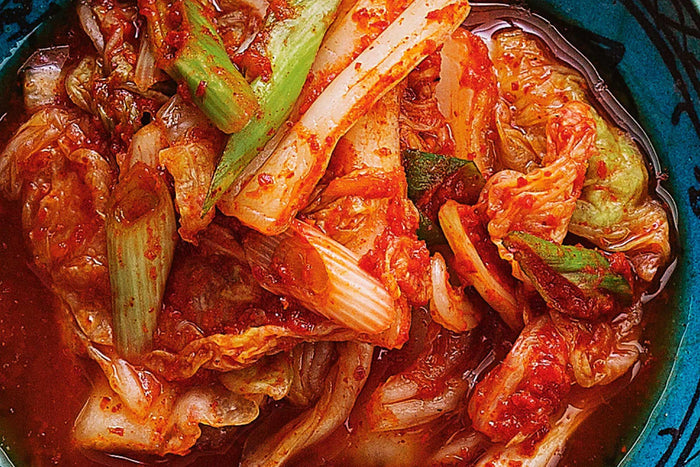
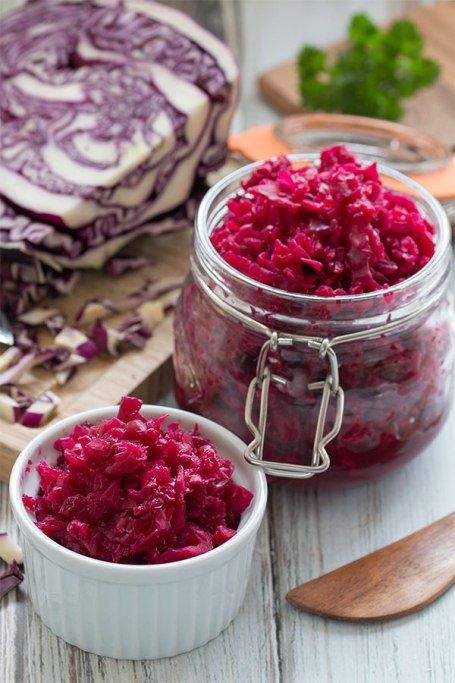
Vegetable lacto-ferments. The great lineage of lactic acid bacteria. Central European sauerkraut (cabbage and salt, nothing more), Korean kimchi (cabbage, chili, garlic, ginger), beet betakrut, Japanese tsukemono, Middle Eastern torshi, Salvadoran curtido. The simplest and most universal fermentation on the planet.
Dairy. Yogurt, the kefir of the Caucasus (a symbiotic culture of bacteria and yeasts), koumiss from mare's milk, and cheeses — where lactic bacteria and molds of the genus Penicillium work together.
Grains and legumes. Sourdough (wild yeasts and lactic bacteria), miso and shoyu with koji, Japanese natto (with Bacillus subtilis), tempeh, Ethiopian teff injera, idli and dosa from southern India.
Beverages. Beer, wine, sake, mead (fermented honey, perhaps the oldest alcoholic drink), kombucha, kvass — and the whole Mexican universe that deserves its own section, below.
Fish, meats and condiments. Fish sauces (Roman garum, Vietnamese nuoc mam), cured sausages with molds and bacteria, vinegar, Korean gochujang. And the extreme ferments, which deserve their own aside:
Icelandic hákarl starts from the Greenland shark, whose flesh is laden with urea and trimethylamine oxide — toxic if eaten fresh. The traditional cured-fermented process, buried and pressed and then hung to dry for months, degrades those compounds and makes it edible. Its ammonia smell is legendary.
Swedish surströmming is Baltic herring fermented inside the can, where bacteria such as Haloanaerobium keep producing acids (propionic, butyric, hydrogen sulfide) until they achieve one of the most intense aromas gastronomy knows. Both are reminders of how far human ingenuity went to waste no food.
Mexico, land of living ferments
Few countries have a fermentation culture as deep and as little told as Mexico. Here the ferment is pre-Hispanic, sacred and everyday all at once:
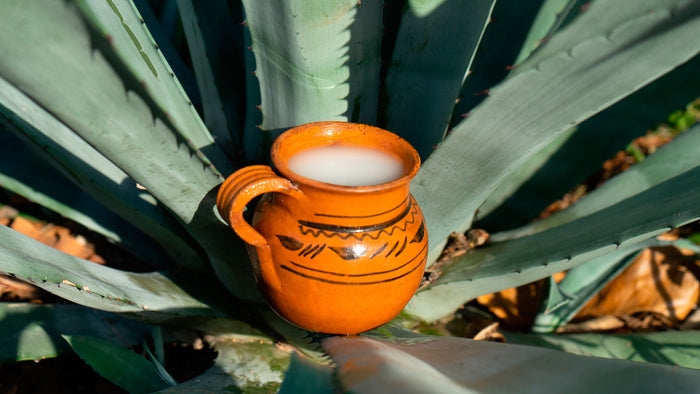
- Pulque — the sap (aguamiel) of the maguey fermented by a consortium of yeasts and bacteria (among them Zymomonas mobilis and lactobacilli). Sacred drink of the Altiplano, tied to the goddess Mayahuel and the Centzon Totochtin, the four hundred rabbits of drunkenness.
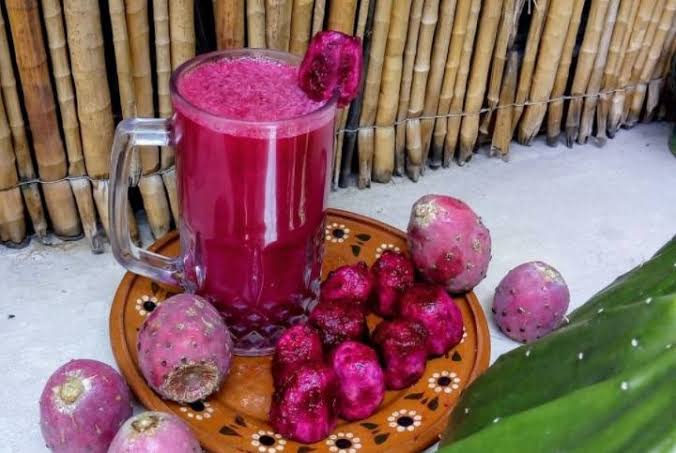
- Colonche — fermented red prickly pear, ancestral wine of the San Luis Potosí and Zacatecas highlands, of an intense, unmistakable red.
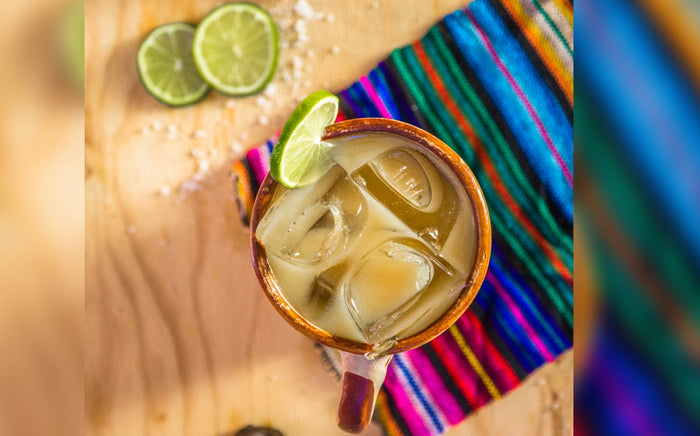
- Tejuino — fermented nixtamalized corn dough, served cold with lime and salt in Jalisco and Nayarit.
- Pozol — fermented corn dough of the Maya southeast, food and drink for long journeys, with a microbiota that includes bacteria and fungi.
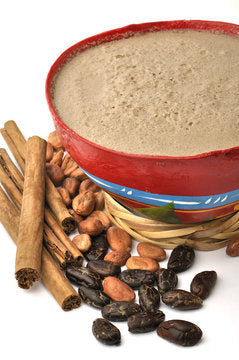
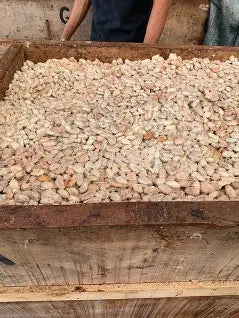
- Cacao — the silent secret of chocolate: the cacao pulp ferments for a few days (yeasts, then lactic and acetic bacteria), and without that step neither the aroma nor the flavor of chocolate would exist. A Mesoamerican legacy for the whole world.
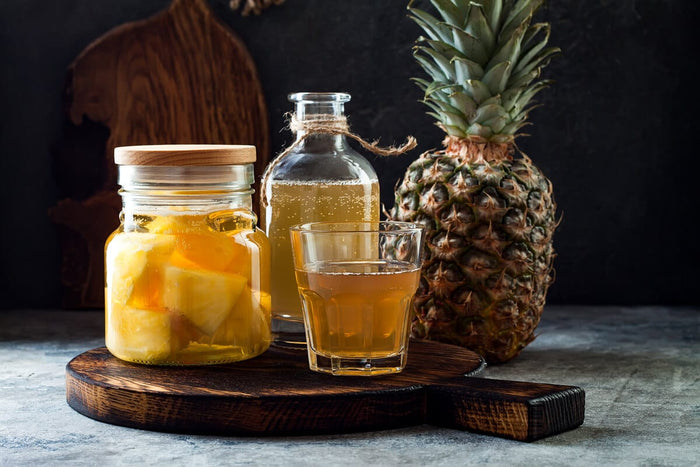
- Tepache, tesgüino and tibicos — pineapple fermented with piloncillo; the Rarámuri corn beer; the "water kefir grains". Three living ferments that still circulate from house to house.
It is the same biocultural root we celebrate in Mexico: Fungi Kingdom — a country that understands microbes and fungi as allies, not enemies.
What exactly is kombucha?
Since you name it so often, it deserves its explanation. Kombucha is sweetened tea fermented by a SCOBY — a Symbiotic Culture Of Bacteria and Yeast. It works in two stages: first the yeasts turn the sugar into alcohol and gas; then the acetic bacteria oxidize that alcohol and turn it into acids, giving it its lightly vinegary freshness. That gelatinous "film" floating on top is bacterial cellulose, woven by the microbes themselves. It is attributed roots in northeast Asia more than two thousand years ago, though its exact origin remains debated. It is, in essence, the same principle that gives our brand its name: symbiosis, different organisms collaborating to create something none could achieve alone. (Our kombucha guide →)

The ferment and health — of beings and of the planet
Fermented foods provide living microorganisms and postbiotic compounds, and recent research associates them with support for the diversity of the gut microbiota. A Stanford University study (Wastyk et al., 2021) observed that a diet rich in ferments was associated with greater microbiome diversity and lower activity of inflammation markers. (Study on PubMed →) A broad review of the topic summarizes how these foods contribute to well-being beyond microbiota alone. (Marco et al., 2017, PubMed →)
And there is a planetary dimension: to ferment is one of the most efficient ways of preserving food with very little energy — without a cold chain, making use of surpluses and reducing waste. In a world seeking more sustainable food systems, this millennia-old biotechnology becomes the future once again.
This information is educational in nature and does not replace the advice of a health professional. Fermented foods contribute to a varied diet, but are not intended to diagnose, treat, cure or prevent any disease.
The ferment, alive, at Simbiosis

All of this stops being theory at our table. At The Shrooms Bar & Deli, inside Mercado Sano (San Miguel de Allende), we prepare our own living ferments — kimchi, sauerkraut, betakrut, kombucha and more — joining world tradition with the ingredient we know best: mushrooms.
Come taste them, ask us how they are made, take a culture home. The ferment is, by nature, something to be shared.
Discover the Deli and its ferments →Explore the full recipe book →To keep exploring
- Ferment recipe book — pulque, colonche, tejuino, pozol, cacao, kimchi, sauerkraut, betakrut, miso, shoyu, kombucha, kefir and sourdough, step by step
- Yeasts, ferments and penicillin — the fungi that built modern civilization
- Mexico: Fungi Kingdom — the biocultural culture that sustains our ferments
- Mycoremediation — the fungi that clean the world
- Mushrooms and Medicine — from the ferment to penicillin
- The Mycelium — complete guide of fungal topics
Scientific references: Wastyk et al. (2021), Cell — microbiota-targeted diets and immune status (PubMed); Marco et al. (2017), Current Opinion in Biotechnology — benefits of fermented foods (PubMed); review on anaerobic rumen fungi, Neocallimastigomycota (PubMed). Cultural and historical data come from ethnographic and gastronomic sources; the figures and origin attributions of some ferments vary by source, as they are living traditions under constant study.
Yeasts, molds, mushrooms and truffles are one and the same kingdom. When science finally gave it a name of its own —funga, alongside fauna and flora— it was also naming the invisible fungus that ferments your bread and ripens your cheese. We tell it in the Funga Manifesto.